We are approaching the end of our 10th year as the independent, professional regulator for the education workforce in Wales. This milestone provides the perfect opportunity to take stock and reflect on how we’ve evolved, the impact we’ve made, and how we will continue to serve learners and young people, the public, and the education workforce in the years ahead.
From establishment to a mature regulator
The establishment of the EWC in April 2015 built on the regulatory foundations of the General Teaching Council for Wales (GTCW), which had previously regulated teachers. The creation of the EWC marked an important evolution that extended professional regulation beyond teaching. It enabled the system to better reflect the breadth of the education workforce, while strengthening the focus on safeguarding, professionalism, and public trust.
Over the past decade, we have grown into a mature professional regulator that has developed strong governance arrangements and clear regulatory processes designed to be fair, proportionate, and transparent.
Our remit has strengthened in both scope and impact. At the end of our tenth year, we now have responsibility for registering and regulating practitioners working in 13 categories across schools, further education, youth work, adult learning, and work‑based learning.
One significant change came in the long‑championed introduction of mandatory registration for practitioners in independent schools. This development, secured after many years of advocacy, brings greater consistency, transparency, and safeguarding assurance across all education settings, ensuring that learners and young people benefit from the same high standards of professional regulation wherever they are educated.
While our remit has widened, reflecting the rich diversity of the education workforce, our aims have remained constant:
- to contribute to improving the standards of teaching and the quality of learning in Wales; and
- to maintain and improve standards of professional conduct among teachers and those who support teaching and learning in Wales.
Safeguarding and public trust at the heart of our work
Safeguarding learners and young people has always been central to everything we do. Through robust registration and regulation, we set clear expectations of professional behaviour and take action where those standards are not met.
In recent years, our safeguarding function has strengthened further with the introduction of Interim Suspension Orders (ISOs). These powers allow us to act swiftly, where necessary, to temporarily suspend a registrant while a case is being investigated. ISOs play a vital role in safeguarding children, young people, and the public by enabling proportionate and timely decisions in cases where potential risk is identified.
Handling concerns about professional conduct is never easy. Our role requires us to balance carefully the interests of learners and young people, the public, and registrants, ensuring that decisions are thorough, evidence‑based, and fair. This work has been fundamental in reinforcing public trust in the workforce over the past decade.
Supporting quality at entry to the profession
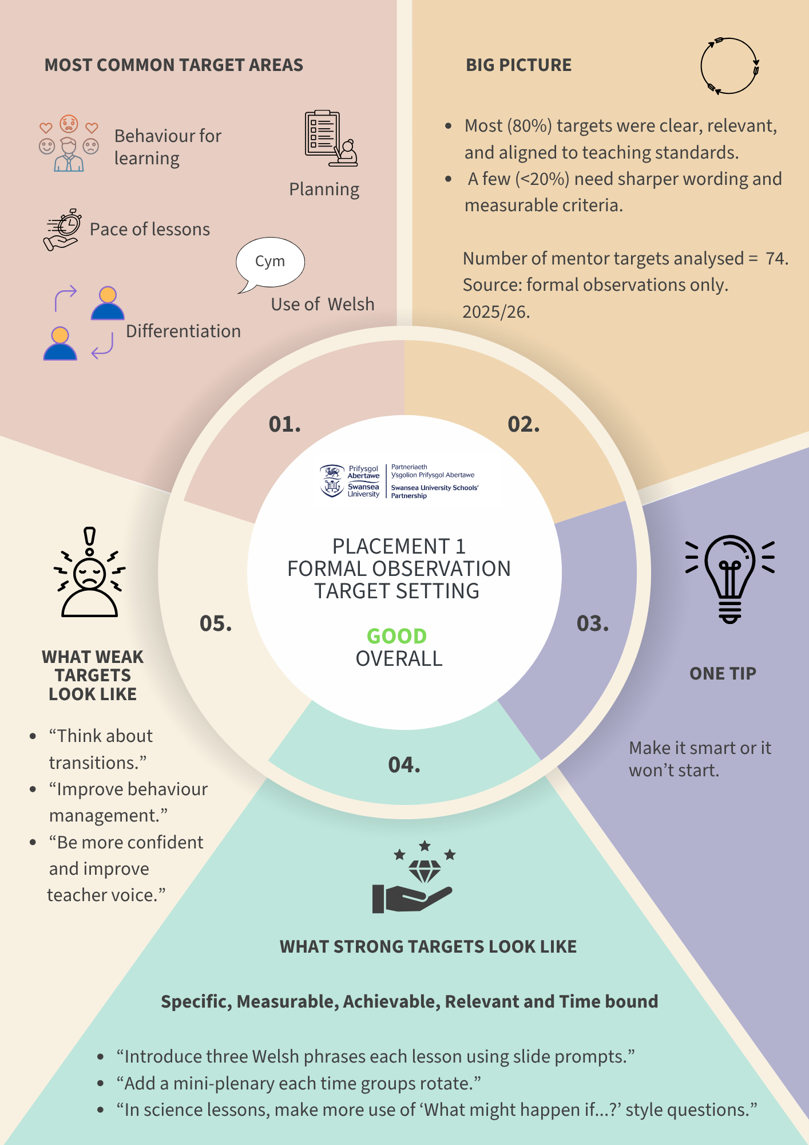
A key part of the EWC’s role is accrediting and monitoring programmes of Initial Teacher Education (ITE) in Wales. These powers were introduced in 2017 following reforms which placed a stronger emphasis on quality, consistency, and partnership working between schools and higher education institutions.
Accreditation drives continuous improvement, raising the quality of teacher training, and attracting skilled, qualified people into the profession. This plays an important role in supporting high standards from the very start of a teacher’s career.
Promoting careers in education
Alongside our regulatory responsibilities, the EWC has a statutory role in promoting careers in education to support recruitment into the sector. This has grown from a small strand of work into an important programme of activity.
A key part of this has been the development and growth of the Educators Wales advocacy service and accompanying website (which is funded by Welsh Government). It provides a dedicated platform to raise awareness of education as a rewarding and valued career, including:
- clear, accessible information on entry routes and pathways
- job vacancies across the education workforce
- professional development opportunities
- tailored support for those considering or progressing careers in education
Supporting professionalism across the workforce
No matter the role, we continue to support a highly professional education workforce by providing clarity, guidance, and reassurance about what good professional practice looks like.
We have increased our range of accessible resources, guidance, and external presentations to help registrants feel confident in understanding the expectations and standards upon them. Initiatives such as the Professional Learning Passport (PLP) have evolved to better support registrants in reflecting on their practice and meeting their professional responsibilities.
Engagement, transparency, and partnership
Over time, we have strengthened our engagement with registrants, stakeholders, partners, and the wider public. We have placed greater emphasis on transparency through consultations, publications, events, and clearer communication about our role and decisions.
Although independent, the EWC does not operate in isolation. We work collaboratively with Welsh Government and sector organisations to support an effective education system. Our administration of initiatives such as the awarding of Qualified Teacher Status (QTS), induction certificates, and the Quality Mark for Youth Work in Wales reflects our commitment to supporting professionalism and continuous improvement across the sector.
Using evidence to inform understanding and influence
An increasingly important part of our role is our statutory responsibility to provide independent advice, research analysis, and intelligence. Through our data, casework experience, and research, we have helped inform understanding of workforce trends, pressures, and risks.
Since our formation, we have contributed to over 210 national consultations and calls for evidence, and have consistently been represented on a wide range of national steering and workforce groups. This has included contributing evidence to national discussions in areas such as recruitment and retention, professional standards, professional learning, and the curriculum.
Being a trusted, independent source of evidence is a critical part of how we contribute to the wider education system, and one we will continue to strengthen.
Responding to change and challenge
The past decade has brought significant challenge. The education sector has faced pressures from a global pandemic, growing workforce needs, and ongoing issues around recruitment and retention.
Throughout these periods, the EWC has remained agile and responsive, while protecting our independence and regulatory integrity. Striking this balance has ensured we continue to act in the public interest, even during times of rapid change.
None of this would have been possible without the contribution of colleagues and Council members, past and present. Their professionalism, commitment, and expertise have played a central role in shaping the EWC into what it is today.
Looking ahead to the next decade
As the landscape continues to evolve, the EWC’s role will remain firmly rooted in safeguarding, maintaining public trust, and supporting a highly professional workforce.
The coming years will bring new challenges and opportunities, but we look forward to working with registrants and partners to ensure that the EWC continues to make a positive, meaningful contribution to education in Wales.